$ cat ~/blog/my-new-routine.md
Rebuilding My Routine: A Small Discipline With a Big Payoff
2026-09-03 Life life health productivity routine
There's a moment in your 30s or 40s — somewhere between a career, a company, and three kids — when you realize your body has been running on autopilot for years. No real structure, no real intention. Just momentum. A few months ago, I decided that had to change. Not with a drastic overhaul, but with a routine I could actually sustain.
This is that routine, and honestly, getting here feels like a milestone worth sharing.
Why This Time Is Different
Truth is, I've tried to build a routine before, more times than I can count. It never stuck. Something always came up — a client call, a kid needing something, a deadline, a bad night's sleep — and the routine was always the first thing to give. I never lacked the intention. I lacked the energy and the time to actually protect it.
Looking back, I think I know why. I used to eat lunch around 11:45, like clockwork. And without fail, by 3:00 PM — right when I'd finally get a bit of breathing room at work — I'd hit a wall. Heavy eyes, foggy head, no drive left for anything beyond the bare minimum. That afternoon slump wasn't just an inconvenience; it was quietly eating the exact hours I needed to be sharp, for work and for my family.
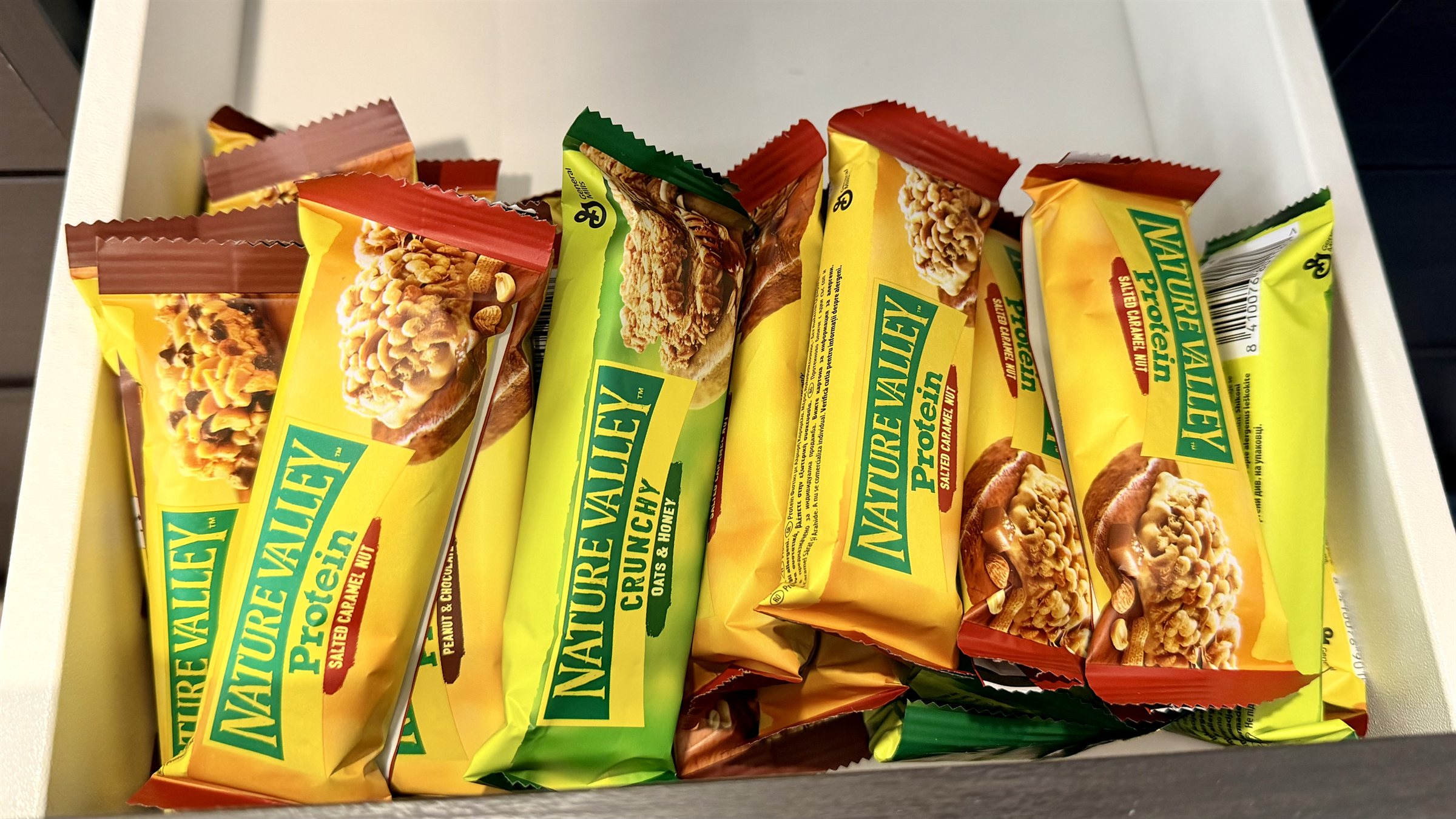
Swapping that midday lunch for a light snack instead turned out to be the single biggest change in this whole routine — a silver bullet I didn't expect. No more 3:00 PM crash. No more running on empty right when I need to be present. That one shift is what finally made the rest of the routine possible to stick with.
The Shape of My Day
Here's what a weekday looks like now:
- Wake up: 6:00–7:00 AM
- Breakfast: coffee, granola, peanuts, and yogurt
- 11:45 AM — Gym: 30–45 minutes, every day except Wednesday
- Post-workout: a small protein hit — whey shake, boiled eggs, or Greek yogurt
- No lunch — just steady hydration through the afternoon
- 7:00 PM — Dinner: the one meal that has to carry the whole day
- 9:30 PM — Sleep
Weekends are untouched on purpose — that's time for personal projects and family, and I'm not willing to trade that away for optimization.
Why This Works (So Far)
The backbone of this routine is simplicity. Two meals instead of three or four means fewer decisions, less mental overhead, and — for me — more control. Training at 11:45 hits a quiet window at the gym, no crowds, no waiting for equipment. It fits around a business and three kids without a fight.
But simplicity isn't the same as sloppiness, and this is where the real work happened: making sure the structure doesn't quietly undercut the goal.
The Adjustment That Mattered Most
Early on, there was a gap in the plan: train fasted at midday, then not eat again until dinner, seven hours later. That's a long stretch to ask your body to recover from a workout with literally nothing to rebuild with. The fix wasn't complicated — a small protein hit right after training. A whey shake, a couple of boiled eggs, a scoop of Greek yogurt. Nothing that breaks the rhythm of the day. Just enough to protect the muscle I'm working to keep, so the weight that comes off is actually fat — not the muscle that keeps energy and metabolism up in the first place.
It's a small addition. It might be the difference between a routine that just makes the scale move, and one that actually makes me feel better.
What I'm Still Watching
I haven't fixed everything, and I don't think a routine like this is ever "done":
- No full rest day during the week. Training daily, even at a light 30–45 minutes, means there's no day for the body to just absorb the work. That's a question I'm still sitting with.
- Hydration vs. electrolytes. Drinking water all day sounds like enough, but between daily training and long fasting stretches, plain water alone might not be — that's next on the list to look at.
- Dinner has to earn its place. With only two meals, that one dinner needs to be dense — real protein, real vegetables — because it's carrying the entire day's nutrition.
None of these are dealbreakers. They're just the next layer to refine.
Why I'm Sharing This
I'm not a nutritionist, and this isn't a template for anyone else's life. It's mine — built around a business, a family, and a decision that I wanted more energy and more control over my own day. If any of it's useful to you, take what fits. If not, take the one idea that matters more than any specific meal plan: a routine only works if it's honest about the gaps, not just the good parts.
This is a milestone, not a finish line. More to come as I keep tuning it.